DPGA Blog
Insights, stories, and updates on digital public goods and the open-source ecosystem from the Digital Public Goods Alliance.
June 9, 2026
UNFCCC Technology Mechanism joins the Digital Public Goods Alliance
The Digital Public Goods Alliance is excited to welcome UN Climate Change and the Climate Technology Centre and Network (CTCN) as its newest members.As part of their membership, UN Climate Change and the Climate Technology Centre and Network (CTCN) will help strengthen the global digital public goods ecosystem by advancing the use of open, accessible, and interoperable digital solutions for climate action and sustainable development. This includes supporting the adoption and scaling of digital public goods through initiatives such as the DPGs for Climate Action Collection, a curated set of trusted digital public goods that support climate mitigation and adaptation efforts. Through their work on climate technology, digital innovation, and initiatives such as #AI4ClimateAction, UN Climate Change and the CTCN will also help connect governments, technology providers, practitioners, and innovators to accelerate the deployment of impactful digital solutions, particularly in developing countries.
Author: Digital Public Goods Alliance
May 13, 2026
The Wikimedia Foundation joins the Digital Public Goods Alliance
The Digital Public Goods Alliance is excited to welcome the Wikimedia Foundation as its newest member. As part of its membership, the Wikimedia Foundation will undertake activities that strengthen the global digital public goods ecosystem through both technical infrastructure investment and policy advocacy. This includes strengthening Wikimedia Cloud Services, the platform that supports many of the volunteer developed tools behind Wikipedia and other Wikimedia projects, with improvements focused on scalability, security, usability, and innovation. The organisation will also continue advancing advocacy efforts around open knowledge infrastructure, open-source first approaches, responsible public interest AI, and the role of digital public goods in supporting information integrity and inclusive digital participation worldwide.“The Wikimedia Foundation is honored to become an official member of the Digital Public Goods Alliance. This membership reaffirms our commitment to the importance of open knowledge as a public good, ensuring it remains accessible, rights-based, and governed in the public interest. Wikipedia, Wikidata, and other Wikimedia projects show how hundreds of thousands of people working together across borders can create and maintain free and open knowledge infrastructure built in the public interest. As the host of these projects, we look forward to sharing our learnings and collaborating more closely with fellow DPGA members who share our vision of an internet that protects and promotes community-led spaces,” said Jan Gerlach, Public Policy Director at the Wikimedia Foundation. “We warmly welcome the Wikimedia Foundation to the Digital Public Goods Alliance. Wikipedia and Wikidata have long demonstrated the transformative power of open, community driven digital public goods to advance access to knowledge worldwide. The organization’s leadership in strengthening open knowledge infrastructure and advocating for digital public goods will further strengthen the global DPG ecosystem and support more inclusive and equitable access to trusted knowledge online,” said Liv Marte Nordhaug, CEO of the DPGA Secretariat.Wikipedia and Wikidata were officially verified as digital public goods in 2025 and added to the DPG Registry, reflecting their important role in advancing open, community driven knowledge infrastructure worldwide.To learn more about the Wikimedia Foundation joining the DPGA, visit their announcement.To learn more about the activities they will be undertaking as part of their DPGA membership, visit the Roadmap.
Author: DPGA Secretariat
April 24, 2026
Launching the DPGs for Climate Action Collection
At the Digital Public Goods Alliance, we are committed to improving how digital public goods are discovered and adopted—helping governments and organisations identify trusted, open solutions that can support their digital transformation efforts.Recognising that many countries are actively advancing digital public infrastructure, the DPGA previously launched the DPGs for DPI Collection to help point governments and organisations toward relevant, proven digital public goods they can adopt.Building on this approach, we are pleased to introduce the DPGs for Climate Action Collection. Launched on April 17 at the Climate Technology Centre and Network (CTCN) and UNFCCC Technology Executive Committee (UNFCCC TEC) Joint Advisory Board meeting in Incheon, South Korea, this new collection highlights digital public goods with a proven track record of supporting climate mitigation and adaptation, while demonstrating the ability to interoperate. This is critical, as it signals that solutions can be adopted as building blocks—stacked and integrated to deliver greater impact.Co-stewarded with the CTCN and the UNFCCC TEC, all solutions included in the collection must meet the DPGs for Climate Action Identification Framework. This ensures that solutions are not only DPGs, but also relevant, proven, and designed to scale.A collection alone is not a silver bullet, but it provides a foundation for further work, including:Increasing the discoverability of vetted, high-impact toolsHelping funders and implementers identify solutions to support and scaleHighlighting gaps where open solutions do not yet existIncentivising more projects to become digital public goodsStrengthening understanding of how open solutions can advance climate actionThe collection launches with an initial cohort of solutions, including tools supporting energy planning, geospatial data integration, and environmental monitoring. Solutions will continue to be added on a rolling basis.By making it easier to find, assess, and adopt proven digital public goods, we aim to accelerate the role of open, interoperable technologies in addressing the climate crisis.
Author: Jameson Voisin, Director of Communications and Programs, DPGA Secretariat
April 20, 2026
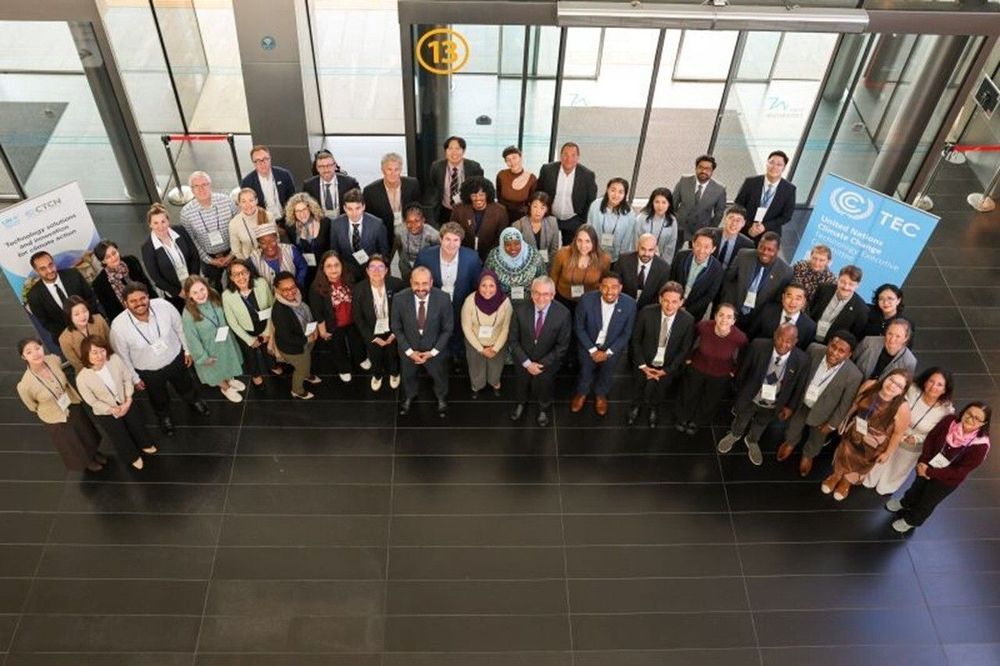
Beyond Openness: Shaping a Responsible AI Future Through the UN Global Dialogue
Despite a world characterised by uncertainty and the unravelling of established norms, safe and trustworthy AI emerges as a collective governance challenge that requires an inclusive approach. Diverse global actors must come together to balance innovation with ecological limits, promote power equity, and uphold the public interest. Against this backdrop, open technologies such as digital public goods play a key role in enabling global cooperation, agency, transparency, and, ultimately, trust. The DPGA Secretariat is happy to share that we submitted our response to the United Nations’ Call for Submissions to inform the first Global Dialogue on AI Governance, a platform established by the UN General Assembly to facilitate international cooperation, share best practices and address AI governance challenges such as increased fragmentation and the geopolitical question of who controls AI infrastructure.The Global Dialogue: A Vehicle for the Global Digital CompactThe Global Digital Compact has formally recognised DPGs as the backbone of an equitable digital future. Under Objective 1, the GDC explicitly commits to:"...Increas[ing] investment in and the development of digital public goods, including open-source software, open data, open artificial intelligence models, and open content, to promote inclusive digital transformation and achieve the Sustainable Development Goals."The DPGA Secretariat understands the UN Global Dialogue not just as a forum for discussion, but also as a critical vehicle for implementing the GDC commitments. By connecting ongoing initiatives such as the DPG Standard, which is used to vet every DPG, and our work on open source software and open data for responsible AI development (DPG4AI) with pressing AI governance issues such as safety, security and bridging AI divides, we aim for the dialogue to turn these high-level objectives into practical action through a clear implementation roadmap. Frugal AI and the Path to Digital SovereigntyA key precondition is that we move beyond the assumption that meaningful progress depends on matching the massive, energy-intensive computing scale of big tech. An alternative narrative is frugal AI: smaller, specialised, and highly efficient models that are trained on local data and optimised for lower-end hardware and limited computational infrastructure. This approach is also more easily compatible with the DPG Standard’s high openness requirements for datasets and models. However, democratising AI development is not just about access to existing models; it is about reclaiming the agency to build technology that fits local economic, social and ecological realities. Digital public goods across the AI development lifecycle, along with open source AI models, are indispensable tools for achieving this goal, particularly because they are more cost-efficient than closed-source APIs when deployed at government scale. By prioritising efficiency over sheer scale, countries can reduce their dependence on external hyperscalers, lower their carbon footprint, and work towards a vision of AI development and deployment under sovereign control. However, this approach needs to be complemented by rigorous trust and safety tooling. Moving Beyond "Openness" as a Silver BulletA central theme of our recent reflections from the AI Impact Summit in India was that openness is not a silver bullet. While the DPGA champions open source software and models that help attain the SDGs, they must always be complemented by measures to avoid doing harm and adhere to privacy and other applicable laws, as baked into the DPG Standard. Lastly, not every problem needs AI as a solution - on the contrary, treating AI as the “default” often creates more problems than it solves, because it entrenches existing structural inequalities. The DPGA Secretariat’s submission highlights the role of DPGs for equitable AI development, but also cautions that openness must be paired with robust governance to address deeper, systemic issues:Power Imbalances and Exploitation: Governance must explicitly address the concentration of power in the AI industry and exploitative practices, particularly regarding data collection and labour in the Global Majority.Economic and Ecological Impact: We must account for the massive computational requirements and environmental costs of AI, advocating for "frugal AI" approaches that minimise energy consumption and computational barriers.The Illusion of Equity: Openness alone does not guarantee equity if large technology companies continue to benefit disproportionately from open resources while local developers face massive resource constraints.Reclaiming AI for the Public InterestOur submission to the Global AI Dialogue is rooted in the belief that AI governance must address these topics urgently and should build on existing work and initiatives—such as the DPG Standard—that ensure technology is safe, inclusive, and designed for public benefit. Reiterating our stance from the AI Impact Summit, by pairing openness with deep public-sector-led investment in research, safety, and trusted data infrastructures, we can move toward a global AI ecosystem that empowers everyone to build and own AI on their own terms.Read the full submissions here.
Author: Lea Gimpel, Director of Policy and AI Lead, DPGA Secretariat
April 15, 2026
Strengthening Data Systems for Energy Outcomes
Delivering climate and energy outcomes at scale requires strong systems to collect, verify, and act on data. For many countries, however, high costs, technical complexity, and fragmented or missing digital infrastructure limit the ability to mobilise finance, track results, and translate commitments into action.Digital public goods can help address these constraints by providing openly accessible, adaptable tools that countries can adopt and operate themselves. When aligned with privacy and other established best practices, such tools can support both climate mitigation and adaptation efforts. Just as importantly, they offer governments greater control, transparency, and long-term confidence in the digital systems underpinning these efforts.One example is Prospect, a platform developed by the Access to Energy Institute in cooperation with GET.invest that collects, harmonises, aggregates, analyses, and visualises data from modern, sustainable energy solutions that expand energy access. By standardising how energy data is captured and verified, Prospect supports more effective planning, financing, and monitoring of energy access programmes. It also reduces the cost and technical burden of measuring and reporting climate-relevant outcomes, including emissions reductions where relevant.In 2025, one of Prospect’s major initiatives was supporting Uganda’s Electricity Access Scale Up Project (EASP)), led by the Uganda Energy Credit Capitalisation Company and primarily funded by the World Bank. The USD 135 million programme was designed to make clean energy technologies more affordable by paying companies based on verified results. Prospect provided the digital foundation for this approach, enabling the collection, verification, and reporting of data needed to track deliveries and trigger payments. Within its first year, more than 80 energy service companies participated, resulting in over 550,000 off-grid solar systems, clean cooking solutions, and productive-use appliances being delivered. By automating data flows and making progress visible at both the project and national level, Prospect reduced transaction costs, improved transparency, and helped accelerate the flow of funding—supporting faster progress toward Uganda’s electrification goals.Since becoming a digital public good in late 2025, early benefits and potential synergies have begun to emerge. DPG recognition has helped open conversations with new governments. It has also helped address growing concerns around digital sovereignty and vendor lock-in—issues that have become increasingly important for countries in the context of shifting global dynamics.Beyond enabling new government engagement, DPG recognition has also helped catalyse collaboration with other digital public goods that share complementary missions and goals, including exploring how these tools can work together with multilateral institutions and philanthropic organisations seeking trusted digital solutions to advance climate action. This content is part of the 2025 State of the Digital Public Goods Ecosystem Report, published by the Digital Public Goods Alliance in early February 2025. Learn more about the Alliance’s latest community highlights and explore the full report here.
Author: DPGA Secretariat
April 9, 2026
Open Cities Lab joins the Digital Public Goods Alliance
The Digital Public Goods Alliance is pleased to welcome Open Cities Lab (OCL) as its newest member, with the announcement taking place yesterday during the African Urban Forum, marking an important step forward in advancing locally led, inclusive, and sustainable digital public infrastructure. This milestone reflects a shared commitment to strengthening digital public goods as foundational tools for improving public service delivery, accountability, and civic participation.Open Cities Lab’s membership in the Alliance highlights its role as an implementation focused organisation working across Africa to deploy open, interoperable, and adaptable digital systems. By collaborating directly with governments, practitioners, and civic actors, OCL brings practical experience in ensuring that digital transformation efforts are grounded in real institutional contexts and designed for long term public value.As part of its engagement with the Alliance, Open Cities Lab contributes to the DPGA roadmap through three key areas of work spanning policy and advocacy, capacity building, and technical implementation. These efforts include strengthening African led adoption of digital public infrastructure, supporting local governments to sustainably adopt digital public goods, and developing open source civic infrastructure that enhances transparency and accountability.Together, these activities reflect Open Cities Lab’s broader commitment to advancing DPI that is practical and responsive to local needs. By focusing on implementation and real world application, the organisation contributes to building systems that governments can govern, sustain, and evolve over time.As Joanne Parker, CEO of Open Cities Lab, stated:“Joining the Digital Public Goods Alliance is an important milestone for Open Cities Lab. We believe digital public infrastructure should be open, practical, and grounded in real implementation contexts. Through this membership, we look forward to contributing African implementation experience to the global digital public goods ecosystem and continuing to support governments to build systems they can govern, sustain, and evolve over time”.Highlighting the importance of this collaboration, Liv Marte Nordhaug, CEO of the DPGA Secretariat, noted:“Open Cities Lab brings valuable, implementation focused contributions to the Digital Public Goods Alliance. Their work advancing African led DPI adoption, strengthening local government capacity, and building open civic infrastructure reflects the kind of practical, locally grounded approach needed to make digital public goods sustainable”.To learn more about Open Cities Lab joining the DPGA, visit their announcement.To learn more about the activities they will be undertaking as part of their DPGA membership, visit the Roadmap.
Author: DPGA Secretariat
April 8, 2026
UNESCO joins the Digital Public Goods Alliance
The Digital Public Goods Alliance is pleased to welcome UNESCO as part of its growing global community, marking a step forward in advancing open, inclusive, and resilient knowledge ecosystems worldwide. This milestone reflects a shared commitment to strengthening digital public goods as essential building blocks for equitable access to information and sustainable development.UNESCO’s inclusion in the Digital Public Goods Alliance roadmap brings five of its Open Solutions into focus. These include Open Educational Resources (OER), Open Access, Open Data, and Free and Open Source Software (FOSS), all of which play a key role in supporting knowledge ecosystems and enhancing information resilience.UNESCO’s roadmap activities emphasise expanding access to knowledge as a public good, supporting equitable participation, and enabling the reuse and adaptation of educational, scientific, and public-interest resources across diverse linguistic and cultural contexts.As Mariya Gabriel, Assistant Director-General for Communication and Information at UNESCO, stated:“The inclusion of UNESCO’s Open Solutions— Open Educational Resources, Open Access, Open Data and Free and Open Source Software— in the Digital Public Goods Alliance roadmap, underscores our commitment to knowledge as a public good and to multilateral cooperation. Through these open systems, UNESCO supports Member States in expanding access to information and advancing the Sustainable Development Goals”.Highlighting the significance of this collaboration, Liv Marte Nordhaug, CEO of the DPGA Secretariat, noted:“Through its Open Solutions, UNESCO is advancing open and inclusive knowledge ecosystems while strengthening the development and adoption of digital public goods that expand access to shared, interoperable resources and enable equitable participation in the digital age”.Through its engagement in the Alliance, UNESCO builds on its global networks and normative expertise to help implement key international frameworks, reinforcing that knowledge and the systems that support it must remain accessible, rights-based, and governed in the public interest.To learn more about UNESCO joining the DPGA, visit their press release.To learn more about the activities they will be undertaking as part of their DPGA membership, visit the Roadmap.
Author: DPGA Secretariat
April 6, 2026
Modernising Child Protection Case Management in Mexico
In Mexico, Child Protection Authorities (CPAs) are responsible for protecting children who experience violence, abuse, or neglect. In 2024, UNICEF and the Federal Child Protection Authority (FCPA) estimated that more than two million children require immediate protection. Meeting need is particularly challenging given significant budget gaps and limited case traceability. Case management practices have historically relied on fragmented, inconsistent paper-based approaches, further constraining coordination. While CPAs manage approximately 260,000 cases each year, actual demand exceeds two million children—underscoring the need for robust, scalable digital systems to improve both coverage and quality of care.To address these challenges, the FCPA and UNICEF Mexico developed the National Case Management Model (MOGEC) to standardise and strengthen child protection procedures nationwide. MOGEC establishes minimum standards, operational steps, and technical criteria to support the implementation of legally mandated processes.To operationalise MOGEC, the Government of Mexico leveraged the flexibility and adaptability of Primero, which was recognised as a digital public good in 2020. Adapting Primero, the platform was configured using the Child Protection Information Management System (CPIMS+) to reflect national procedures, and workflows, enabling standardised case registration, real-time monitoring, and improved inter-institutional coordination. Rollout began at the federal level and across eight states, reaching more than 300 trained users and benefiting an estimated 150,000 children directly and indirectly.With technical support from UNICEF, FCPA customised Primero to guide multidisciplinary teams—including psychologists, lawyers, and social workers—on MOGEC processes. Primero became more than a case registry: it supported the adoption of improved workflows, reduced administrative burden, and strengthened decision-making. Users report improved interdisciplinary collaboration through shared case information and analysis. Offline functionality allows teams to manage cases in areas without internet, while automated reporting replaces manual reporting, saving time and improving data quality. Risk-based prioritisation tools further support teams in identifying urgent cases and tracking follow-up actions more effectively.Using a DPG gave government officials in Mexico greater confidence to adopt the platform. DPG recognition signalled alignment with open-source standards and data protection best practices, while supporting interoperability and avoiding vendor lock-in and high licensing costs. It also reinforced national ownership.In 2026, Mexico will host the FIFA World Cup. Authorities will use Primero to identify and refer to child protection risks during the event. The government is also exploring interoperability between Primero and other administrative systems, including registries of children in residential care, victims’ databases, and systems used by health, education, and justice institutions. Together, these efforts aim to create an integrated digital ecosystem that supports more effective protection for children in Mexico.This content is part of the 2025 State of the Digital Public Goods Ecosystem Report, published by the Digital Public Goods Alliance in early February 2025. Learn more about the Alliance’s latest community highlights and explore the full report here.
Author: DPGA Secretariat
April 2, 2026
Establishing the Foundations of Digital Civil Registration in Somalia
Decades of conflict in Somalia led to the collapse of the national civil registration system, leaving the government with limited population data and citizens without reliable legal identity or proof of civil status. This gap constrained service delivery, social planning, and broader state-building efforts.The initial phase focused on implementing birth and death registration, with a second phase expanding the system to include additional vital events. This phased approach enabled Somalia to reinforce its legal frameworks, develop institutional capacity gradually, and thoughtfully extend the system to encompass additional life events, such as marriage, divorce, and household registration.Each phase involved close collaboration with local partners through co-created workshops to map existing practices, clarify roles and hierarchies, and agree on a pragmatic service model. Early in this co-creation process, residence registration was prioritised as a foundational service, allowing tangible benefits to be realised quickly. Citizens were able to receive official proof of address from the outset, delivering immediate value for both government and citizens: enabling more effective planning for public authorities, and supporting access to services, voting, and dispute resolution for individuals.The initial proof of concept has since evolved into a production deployment of Somalia’s Unified Digital Civil Registration System. Today, OpenCRVS operates in 30 Somali districts and is integrated with 160 hospitals, which play an essential role in registering events such as births at the point of occurrence. To date, the system has facilitated the registration of 28,391 births.OpenCRVS’s collaboration with the Government of Somalia illustrates how digital public goods can enhance state capability in fragile contexts by enabling governments to leapfrog directly to modern, interoperable, and citizen-centred civil registration systems.This content is part of the 2025 State of the Digital Public Goods Ecosystem Report, published by the Digital Public Goods Alliance in early February 2025. Learn more about the Alliance’s latest community highlights and explore the full report here.
Author: DPGA Secretariat
March 30, 2026
Open Data Editor: Making Data Validation Accessible for All
Communities cannot leverage open data or collaborate effectively if they are unable to share and reuse datasets without friction. Created by the Open Knowledge Foundation, Open Data Editor (ODE) is a desktop application that helps address this gap by enabling user-friendly data validation for people without technical or programming skills. In doing so, organisations can automatically detect errors and clearly identify what needs to be fixed before data is published or used for deeper analysis. Organisations using ODE report saving time and achieving significantly improved data quality, without data-engineering dependencies.Throughout 2025, ODE, which is supported in six languages, was adopted by organisations and governments all around the world. Use cases ranged from data verification by municipal workers in Croatia and Nepal to housing analysis in Argentina, investigative journalism in Mexico, and academic library services in India.Across these contexts, ODE was used by journalists, public servants, students, and peace activists—many with no technical background. By lowering the barrier to using and verifying data, ODE enabled users to consume, produce, and reuse high-quality datasets without requiring deep expertise in data algorithms or standards. This had a direct positive impact on the research and activities they were pursuing, while also generating feedback that flowed back to the ODE core team, enabling continued improvements based on real-world use cases and practical requirements.Recognising the importance of data literacy and in support of the goals that ODE helps advance, the Open Knowledge Foundation’s School of Data delivered targeted training sessions in 2025 to equip trainers to introduce and implement ODE in new communities. Rather than focusing solely on individual users, this approach invested in local trainers who can sustain and extend adoption over time. As a result, an estimated 500 people across all continents were trained to use ODE, helping to embed data literacy and practical data skills across diverse contexts.The evolution of ODE remains closely linked to the needs of the communities that use it, reflecting a deliberate emphasis on informed, community-driven development as a core principle of The Tech We Want. Looking ahead to 2026, expected outcomes include establishing a decentralised governance framework to support project sustainability, translating all documentation and literacy resources into four additional languages, and positioning the School of Data as a multilingual AI literacy hub.This content is part of the 2025 State of the Digital Public Goods Ecosystem Report, published by the Digital Public Goods Alliance in early February 2025. Learn more about the Alliance’s latest community highlights and explore the full report here.
Author: DPGA Secretariat
March 25, 2026
How Liberia’s DPG-based Inclusive Instant Payments System is Advancing Interoperable Payments
Liberia, home to 5.6 million, has long been a cash-heavy economy. This began to change with the launch of “Pay Na-Na”, the Liberian Inclusive Instant Payments System (IIPS), a modern, real-time interoperable payments platform powered by Mojaloop, a recognised DPG, which is helping to strengthen Liberia’s digital public infrastructure. This was made possible by joint efforts from the Mojaloop Foundation, the Central Bank of Liberia (CBL), ThitsaWorks, and The AfricaNenda Foundation.Normally, DPI related payments projects take 12–24 months to implement. However, Liberia’s IIPS, which went live in December 2025, took just 73 days to execute, making it the fastest Mojaloop implementation to date. Notably, the programme was delivered at a fraction of the cost typically seen in comparable payments initiatives in other countries.Immediate changes were evident, as Pay Na-Na transactions immediately hit scale. Additionally, the IIPS enabled mobile money transfers between the country’s two major mobile network operators, helping to advance the CBL’s mission to digitise the national economy and enable interoperability across mobile providers, banks, microfinance institutions, fintechs, and government. The system is also improving the lives of citizens and businesses by enabling fast, reliable, and secure digital transactions that reduce reliance on cash and expand financial inclusion. Government payments, including salaries and social benefits, will become more efficient and transparent; salary processing that previously took seven days can now be done in seconds.While the agility to adapt and implement quickly, as well as lower costs, make DPGs advantageous for DPI implementations, the success of the IIPS implementation was also driven by strong institutional coordination. This was particularly significant given the complex nature of payment systems, as existing, siloed payment platforms often make interoperability difficult. In Liberia’s case, strong participation from the CBL played a critical role in navigating challenges and aligning stakeholders around an interoperable national system.Another added value of this implementation was the opportunity to work with a systems integrator, ThitsaWorks, which had prior experience implementing Mojaloop in Myanmar, where it served as a local partner. Building on that experience, ThitsaWorks is now helping to lead Mojaloop implementations in four additional countries, including Liberia. In each case, the approach goes beyond delivery. Local partners, working with the system integrator, are equipped not only to implement the system, but also to operate and maintain it over time—and, in some cases, to become future systems integrators themselves. This experience helps demonstrate how implementing DPGs can serve as a pathway for building local capacity, rather than short-term technical dependency.This content is part of the 2025 State of the Digital Public Goods Ecosystem Report, published by the Digital Public Goods Alliance in early February 2025. Learn more about the Alliance’s latest community highlights and explore the full report here.
Author: DPGA Secretariat

March 20, 2026
Safeguarding Land Information as a Digital Public Good
Access to information is fundamental to good land governance and to securing land rights for landless and vulnerable people. Yet land-related data and knowledge often remain fragmented, inaccessible, or unevenly represented.The Land Portal makes land information open, accessible, and inclusive. As a global hub for land governance knowledge, it empowers communities by making previously inaccessible data available and bringing forward perspectives that are often overlooked. It does so by improving the documentation, mapping, and monitoring of land governance issues. The Land Portal works to democratise the land information ecosystem, strengthen data flows across all levels and perspectives, and support evidence-based global debate on land issues.The Land Portal’s ability to adapt quickly was tested in 2025, when the US government closed down USAID’s LandLinks Library platform in February. The LandLinks Library was the US government’s flagship channel for land information, comprising analytical reports, policy briefs, evaluations, learning notes, and technical guidance developed over two decades of USAID land and resource governance programmes. Together, these resources captured the evolution of thinking on how secure land and resource rights underpin inclusive growth, social stability, and environmental sustainability.As it became clear that the platform would go offline, stakeholders raised concerns about the loss of access to these materials for policymakers, practitioners, and researchers worldwide. In response, the Land Portal team moved quickly in the days before the shutdown to migrate and preserve the collection. This rapid response underscores the Land Portal’s mission and one of the practical benefits of operating as a digital public good: the ability to act decisively to preserve open access to critical information in the public interest.This achievement came shortly after the Land Portal was officially recognised as a digital public good, confirming its role in maintaining open, rights-based, and equitable digital knowledge systems that can endure institutional and political change.Today, the LandLinks Library is live on the Land Portal, where users can explore, cite, and reuse its resources to inform programmes, policies, and research on land and resource governance around the world.This experience also highlighted that openness alone is insufficient. For this reason, the Land Portal is committed to the DPG Standard and to registering additional core assets in the near future—such as LANDVOC, SOLIndex, and the Land Portal Knowledge Graph—as DPGs, to safeguard the durability, continued operation, and reuse of land information as a public good.This content is part of the 2025 State of the Digital Public Goods Ecosystem Report, published by the Digital Public Goods Alliance in early February 2025. Learn more about the Alliance’s latest community highlights and explore the full report here.
Author: DPGA Secretariat
March 18, 2026
LaSuite Docs at the French Presidency: How Digital Public Goods Enable Adaptable Public-Sector Systems
Across public institutions, teams working on sensitive policy and data often struggle with fragmented document management systems that undermine collaboration, security, and efficiency. Within this context, the French Presidency’s DataLab faced persistent challenges in how documents were created, shared, and maintained. Version control was difficult, documents quickly became outdated, and reliance on email-based workflows slowed collaboration. These issues increased risks to data integrity and delayed decision-making, while strict security requirements and complex workflows underscored the need for a secure, autonomous, and collaborative digital workspace.In 2025, the DataLab adopted LaSuite Docs, a containerised document editor recognised as a digital public good, as part of its broader digital transformation strategy. The tool was deployed using Podman, a secure container system required by the DataLab that allows applications to run within its own infrastructure rather than on external cloud services.Its open codebase and documentation made it straightforward to adapt to the Presidency’s context. The DataLab customised the interface to align with its visual identity and integrated the tool into existing security and networking systems, without introducing new infrastructure. Limited configuration changes—such as proxy settings and backup arrangements—met the required operational and security standards, enabling a smooth rollout.LaSuite Docs was selected for its alignment with the Presidency’s vision of a unified digital workspace. It complemented other LaSuite tools already in use, such as Grist, and fits within a broader ecosystem expected to expand to include LaSuite Drive, which is also a DPG. This harmonisation was key to eliminating silos and fostering a more collaborative way of working.Following deployment, LaSuite Docs was rapidly adopted by presidential teams. Real-time collaboration replaced email-based workflows, reducing version conflicts and enabling simultaneous editing. The intuitive interface meant little training was required, while integration with the DataLab’s self-hosted AI assistant, MarIAnne, supported day-to-day work. Teams reported improved efficiency, with improved real-time collaboration, and access managed securely, making the tool accessible regardless of technical expertise.LaSuite Docs demonstrated the practical advantages of adopting a DPG in a high-security environment. Its open-source design enabled transparency, adaptability, and cost efficiency, while autonomous deployment and interoperability with other LaSuite tools supported the Presidency’s objectives around digital sovereignty and institutional control. Together, this experience illustrates how DPGs can deliver secure, collaborative, and sovereign digital solutions at scale and strengthen public-sector workflows.This content is part of the 2025 State of the Digital Public Goods Ecosystem Report, published by the Digital Public Goods Alliance in early February 2025. Learn more about the Alliance’s latest community highlights and explore the full report here.
Author: DPGA Secretariat
March 16, 2026
When 40+ Organisations Build Life-Saving Community Health Technology Together
An estimated 4.5 billion people lack access to quality healthcare. Fragmented systems and paper-based records contribute to misdiagnoses, medicine shortages, and opportunities to detect and respond to disease outbreaks early.For those who do have access to care, it is often delivered by the world’s four million community health workers (CHWs). CHWs play a pivotal role in strengthening health systems and have been directly linked to reductions of up to 60% in child and maternal mortality. Yet many remain disconnected and under-supported, relying on expensive, proprietary digital tools that they cannot adapt, own, or maintain.Community Health Toolkit (CHT) was created to solve this. CHT is free to use, modify, and scale, giving implementers full ownership and control. For over 15 years, the CHT has been adopted as national health infrastructure by seven governments and international organisations collectively serving 200,000 health workers across 24 countries and providing essential care to an estimated 88 million people.Worldwide, CHT connects remote and underserved communities to vital services. Applications built using CHT transform household-level care delivered by CHWs, supporting digitally-enhanced direct services across maternal and child health, HIV, Malaria, tuberculosis, cancer, and diabetes. In practice, this means proactive pregnancy monitoring, timely immunisations for children, disease surveillance and response, and coordinated care for families. In 2025, the CHT Community proved that DPGs thrive through co-creation. More than 40 organisations didn’t just use the technology—by contributing to it, they actively built and co-evolved it, showing that when DPGs are genuinely community-owned, innovation accelerates and each contribution amplifies everyone’s impact. Teams collaborated to develop smarter task prioritisation, helping CHWs better serve community needs. Others developed Single Sign-On capabilities for seamless, secure access across systems. Partners implemented Right-to-Left language support and Arabic translations, expanding the CHT to North Africa and the Middle East.Being open source plays a foundational role in CHT’s success. Transparent code enables organisations to self-onboard, customise independently, and fix bugs. Volunteers have helped strengthen the platform’s code and stability through dozens of improvements. Interoperability standards enable seamless integration with other DPGs like DHIS2 and openIMIS.When communities grow, when more voices shape technology, we can reach open-source at scale, proving that collective ownership creates exponential impact and makes community-led digital health the sustainable path forward.This content is part of the 2025 State of the Digital Public Goods Ecosystem Report, published by the Digital Public Goods Alliance in early February 2025. Learn more about the Alliance’s latest community highlights and explore the full report here.
Author: DPGA Secretariat
March 5, 2026
Ensuring “Openness” in AI is a Beacon of Trust, Not a Slogan: Reflections from the India AI Impact Summit 2026
Returning from New Delhi after the India AI Impact Summit 2026, it is clear that the global AI conversation has reached a turning point. As the first major AI summit held in the Global South, the event centred on impact, democratisation, and the specific needs of developing economies. For the Digital Public Goods Alliance, the week provided a vital platform to discuss the foundational role of digital public goods in AI development and to connect with like-minded partners committed to supporting the open AI ecosystem for a more equitable digital future.Openness: A Foundation, Not a Finish LineAt a time when data from HuggingFace suggests that we are witnessing a collapse in transparency in AI development, openness emerged as a recurring theme at the AI Impact Summit and discussed as a fundamental building block of AI infrastructure for countries, the private sector and end users.At the DPGA, we believe openness is the necessary starting point for achieving transparency, trust, sovereignty, and the democratisation of AI resources. However, without integrated best practices, guardrails, and strong governance, "openness" remains a hollow term, leaving it open to use in ways that may not always advance the public good. Since its inception, the DPG Standard, as a community-driven benchmark, has addressed these aspects through specific indicators on "do no harm by design" and "adherence to privacy and applicable laws".The DPG Standard: Verifying Public BenefitThe DPG Standard is grounded in the UN Secretary-General’s definition: digital public goods are open-source software, open datasets, open AI systems, and open content collections that adhere to privacy laws, follow best practices, and help attain the Sustainable Development Goals (SDGs). With this, the DPG Standard moves the definition from “openness” as a standalone characteristic to “openness” as a feature complemented by other features, with a specific objective: making the world a better and more equitable place.The DPG Standard allows us to move beyond the "open source" label by providing a verifiable framework that ensures technology is not only technically accessible but also safe, inclusive, and designed for public benefit. As a meta-standard that also encourages adherence to other standards and best practices, as per Indicator 8, the DPG Standard ensures that AI safety best practices are incorporated through continuous consultation with the community and experts.The Threefold Intersection of DPGs and AIThe intersection of DPGs and AI is threefold:AI systems as a category of digital public goods.DPGs' use of AI to enhance and run their products.DPGs are trusted resources that can improve responsible AI development —such as open data, tooling, and software (DPG4AI).This third category includes resources such as compar:IA (a chatbot comparison arena developed by the French government to reduce cultural and linguistic biases in LLMs); simpleAudit (framework for AI safety testing); and the Mozilla Common Voice dataset (multi-lingual dataset for language technology).DPG4AI was also the topic of the DPGA Secretariat’s mainstage session, “Digital Public Goods for Global AI Equity,” at the Summit in India which included John Dickerson, CEO of mozilla.ai, Ayah Bdeir, CEO of CurrentAI, Chenai Chair, Director of the Masakhane African Languages Hub and Urvashi Aneja, Founder and Executive Director of Digital Futures Lab. There the discussion focused on persisting challenges such as the shortage of high-quality open data, market concentration, and the skills gap to develop and deploy AI in ways that benefit public interest. Panellists explored the role of openness in supporting the digital sovereignty of nations and people and raised questions about the fine balance between championing openness while avoiding corporate capture and ensuring that communities benefit from their own data collection work. Having CurrentAI, one of the main deliverables of last year’s French AI Action Summit, on the panel with Ayah Bdeir also enabled us to connect the dots between Paris and New Delhi, underscoring the essential role of open, global collaboration in advancing AI that serves the many, not the few. Trust and Safety in Local Open-source AI solutionsRepresenting the DPGA Secretariat, we also had the privilege of moderating a session titled "Harnessing Open Source AI for Inclusive Economic Development," hosted collaboratively by GIZ FAIR Forward, NASSCOM, and Digital Futures Lab. During this session, Yasha Khandelwal, CEO & Founder of Tech4Biz, shared that open-source initiatives are effectively reducing access barriers for local developers. However, the Indian startup founder also highlighted that significant resource constraints mean that large technology companies continue to benefit disproportionately from open resources. To truly localise AI development and address diverse local needs across different regions and contexts, fundamental changes are required, including investment in decentralised compute infrastructure and adopting a frugal AI approach—that means designing and deploying machine learning models that minimise computational costs, energy consumption, and data requirements without sacrificing essential performance. Another key discussion point was the need to simplify the deployment of open source models and enhance their safety by ensuring developers "ship the car with the seatbelts". These points closely align with the DPGA Secretariat's work. For instance, the DPG Standard mandates that AI systems prioritise safety in development and publicly license their full training data—requirements potentially more manageable for smaller, task-specific models.The session also featured the launch of a policy brief, “Advancing Open Source AI in India: Recommendations for Governments and Technology Developers”. This brief, which mirrors the efforts of the DPG Standard, encourages developers to provide high-quality, reusable core components. It emphasises avoiding "open washing" through clear documentation, use of safeguards, and a firm commitment to open source AI as the foundation for transparent, local collaboration.Collaboration for Impact: Climate, Health, and AgricultureThe DPGA Secretariat week was wrapped up by co-hosting a high-level event with the Royal Norwegian Embassy in New Delhi and Norad, focusing on “International Collaboration on AI and Digital Public Goods to Advance Progress on Climate, Health and Agriculture”. The event, which included opening remarks from Norwegian Minister of Digitalisation and Public Governance, Karianne Tung, and the Minister of Management and Innovation in Public Services of Brazil, Esther Dweck, provided practical examples of how AI intersects with digital public goods. This was followed by showcasing the updated requirements of the DPG Standard for AI systems to be recognised as digital public goods, highlighting the importance of data transparency in promoting responsible AI practices. Representatives from verified DPGs, including DHIS2, Rural Environmental Registry (RER), DiCRA, and ODK showcased how AI can be responsibly integrated into existing solutions. They also demonstrated how their solutions offer trusted data infrastructures essential for AI deployment.We concluded the discussion by highlighting the value of DPGs as platforms that demonstrate best practices in the era of AI-driven software development. A key point was the necessity of public investment in open datasets to overcome market failures, aggregate markets, and incentivise the private sector to solve social challenges. “How do we ensure that the digital world grows in ways that are fair, open, and beneficial for all? The answer lies in supporting digital public goods—through our policies, partnerships, and priorities. When digital resources are shared, everyone benefits. And when everyone can participate, innovation becomes not only faster, but also more just and more sustainable.” Karianne Tung, Minister of Digitalisation and Public Governance, Norway By positioning DPGs as an infrastructure of trust, they offer a value proposition that proprietary solutions cannot match. This is because the DPG Standard ensures that DPGs follow industry best practices, prevent “open-washing,” embed do-no-harm principles by design, and support the attainment of the Sustainable Development Goals. To this end, we were also happy to meet representatives of openFN, Syft and Care | Open Healthcare Network during the summit, which once more underlined the point that DPGs are relevant solutions in developing responsible AI and AI-mediated access to services and information. Reclaiming AI for the Public InterestThe summit reinforced a powerful truth: an open approach to AI, complemented by participatory governance, guardrails and a deep understanding of the prevalent power imbalances in the AI ecosystem, is the only way to ensure local relevance and agency for the Global Majority.As Prime Minister Modi noted in his opening remarks of the summit, India believes AI’s benefits must be shared—invoking the principle that "sunlight is the best disinfectant" to make AI safer and more effective. This call for open code and collaborative development aligns deeply with the DPGA’s work. However, to truly reclaim AI as a technology that serves the public interest, we must learn the lessons of open source software by pairing openness with deep, public-sector-led investments in research, safety, and trusted data infrastructures. Open data plays a fundamental role in trustworthy AI, and it was reassuring to hear the recurring call for more open data in AI development-an approach the DPGA Secretariat has championed with the update of the DPG Standard for AI systems last year. By maintaining this high bar and demanding a genuine plurality of models, visions, representations and stakeholders, we can move toward a global AI ecosystem that empowers everyone to build and own AI on their own terms. The Road Ahead: Our CommitmentThe DPGA Secretariat is committed to building the technical and policy foundations for a public-interest AI ecosystem. Our next steps include:Strengthening the DPG Standard for AI systems: Conducting a systemic review in the second half of 2026 to assess the open data requirement and continuing our engagement with experts and the community on AI trust and safety best practices. Building the DPG4AI Collection: Identifying and onboarding new DPGs that serve responsible AI development, from open data for training and benchmarking to tools and software for packaged, sovereign solutions.Making DPGs Future-proof: Providing case studies and insights into the responsible use of AI by established DPGs and positioning DPGs as a platform of best practices.Mobilising for Policy Change: Advocating for public sector investment in the open source AI ecosystem to ensure AI is developed with the public interest at its core.Supporting Discoverability and Global Collaboration: Feeding into initiatives like the Global AI Impact Commons to ensure everyone walks the talk, and partnering with like-minded organisations to build the public interest AI movement.
Author: Lea Gimpel, Director of Policy & AI Lead and Amreen Taneja, Standards Lead